


523 W. 38th St
Anderson, IN 46013


Chemo-Induced Neuropathy: Non-Drug Approaches to Reduce Symptoms
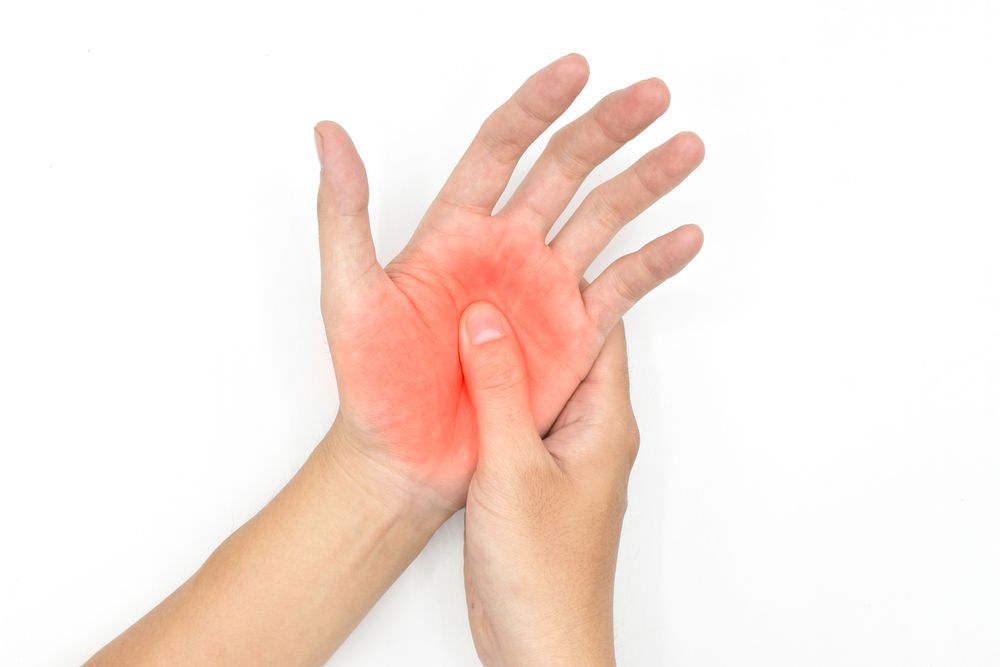
Chemotherapy is a critical part of cancer treatment, but for many patients it can come with lasting side effects that affect quality of life long after treatment ends. One of the most common and frustrating of these is chemo-induced neuropathy, a condition involving damage to the peripheral nerves.
What Is Chemo-Induced Neuropathy?
Chemo-induced neuropathy occurs when certain chemotherapy drugs damage the nerves that transmit signals between the brain, spinal cord, and the rest of the body. These nerves play a key role in sensation, movement, and coordination.
Because nerve tissue is especially sensitive, chemotherapy can disrupt normal nerve signaling, sometimes during treatment and sometimes months afterward. For some people, symptoms fade over time. For others, they can persist or worsen.
Common Symptoms of Chemo-Induced Neuropathy
Symptoms can vary widely from person to person and may affect the hands, feet, or both. Common complaints include:
- Tingling or “pins and needles” sensations
- Numbness or reduced sensation
- Burning, shooting, or electric-like pain
- Sensitivity to touch or temperature
- Muscle weakness or coordination issues
- Difficulty with balance or fine motor tasks
These symptoms can interfere with daily activities such as walking, sleeping, driving, or using the hands, making effective symptom management especially important.
A Personalized, Holistic Approach to Care
Because chemo-induced neuropathy does not present the same way in every individual, a one-size-fits-all solution is rarely effective. At Brauchla Clinic, our philosophy centers on a personalized and holistic approach - focused on understanding the full picture rather than just masking symptoms.
- Identifying Underlying Causes: While chemotherapy is the primary trigger, other factors - such as circulation issues, metabolic stress, or nervous system overload - may contribute to ongoing symptoms. Identifying these underlying contributors helps guide a more targeted plan.
- Assessing the Extent of Nerve Damage: Understanding how severely the nerves are affected and how the nervous system is responding allows care to be tailored to the individual’s specific needs and goals.
- Supporting Blood Flow and Nerve Function: Healthy nerve tissue depends on adequate circulation and proper signaling. Care strategies are designed to support improved blood flow and encourage healthier nerve communication.
- Addressing Brain-Based Pain: Neuropathy pain is not only a peripheral issue - it often involves how the brain processes pain signals. Reducing brain-based pain responses can play a key role in improving comfort and function.
Importantly, this approach is designed to work without medication or surgery, making it an appealing option for individuals who wish to avoid additional pharmaceutical burden after chemotherapy.
Under the guidance of Dr. Clint Brauchla, Brauchla Clinic emphasizes patient-centered care that looks beyond symptoms to address how the nervous system functions as a whole. This comprehensive perspective allows care plans to be adapted as patients progress and their needs evolve.
Take the Next Step Toward Relief
Chemo-induced neuropathy can be a challenging and life-altering condition, but relief may be possible through a thoughtful, individualized approach. By focusing on underlying causes, nerve health, circulation, and the brain’s role in pain, non-drug strategies may help reduce symptoms and improve quality of life.
If you or a loved one are struggling with symptoms of chemo-induced neuropathy, Brauchla Clinic is here to help. Contact us to learn how a personalized, holistic approach may support your recovery and help you regain comfort and confidence in everyday life. Visit our office in Anderson, Indiana, or call (765) 217-7300 to book an appointment today.
Powered by

